
This weekend I was editing Book 5 in the Morganstar Series, which is where the Victorian social standing really starts to crumble and by Book 6, it's all down around their Victorian ears.
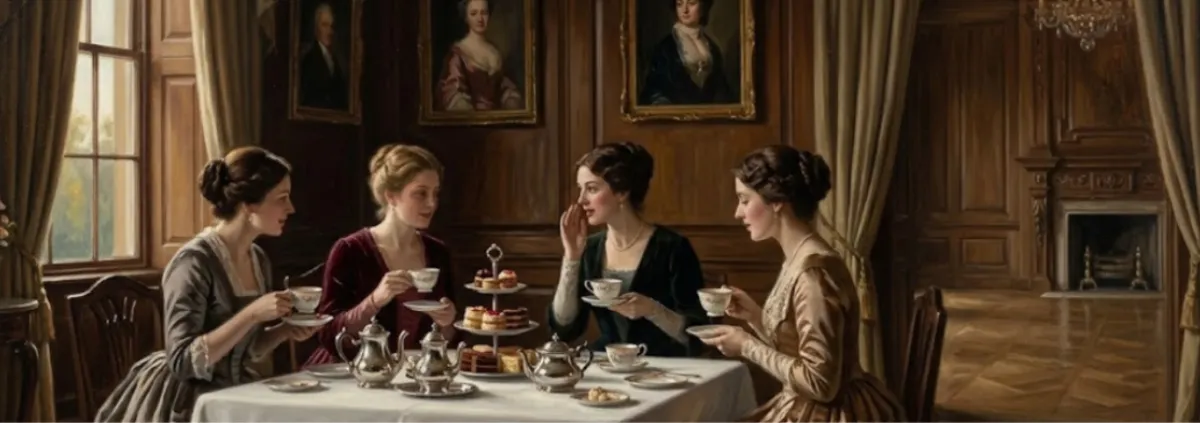
When we think of the Victorian era, our minds usually drift toward the polished surface: elegant drawing rooms, fine china, whispered conversations over afternoon tea, and ladies gliding across ballroom floors in yards of silk. It’s an easy world to romanticise. It looks refined, orderly, and delightfully romantic.
But if you look just beneath that glossy lacquer, Victorian society was an absolute pressure cooker.
To be considered "respectable" in Victorian Britain wasn't just a lifestyle choice; for many, it was a matter of survival.
Social Standing
Social standing dictates everything—who you could marry, what business doors were open to you, who could stay and what, and how your family was treated by the neighbourhood. But maintaining that respectability required living behind a carefully constructed mask.
The rules of Victorian etiquette were dizzying. There were strict protocols for who could speak to whom, how to deliver a calling card, how long to mourn a distant relative, and exactly how many inches of ankle were permissible to reveal while stepping over a puddle. Every movement was scrutinised. The parlour was a stage, and every member of the household was expected to perform their role without missing a cue.
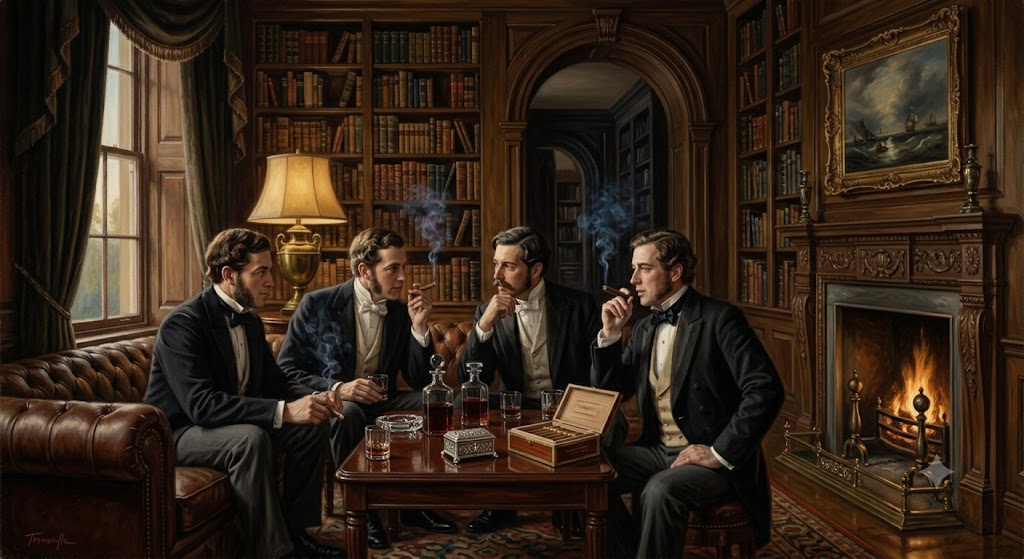
There was so much segregation, it was unbelievable. Every which way you turned, there was someone who didn't fit in for whatever obscure reason. Even in families with small things, like after dinner separation of men and women. Women went one way to have polite, gentle conversations, while men went into their smoking parlours to discuss matters that weren't for women's "gentle" ears.
The tragedy of this world was the sheer weight of the double standard. While high society preached rigid morality, restraint, and religious devotion from the pulpit and the parlour, the reality on the streets was vastly different.
The Underdogs
Poverty was treated almost as a moral failing rather than a systemic crisis. Poor people were the underdogs, no matter their circumstances.
Debt was a shameful crime that could land a man in prison and ruin his family for generations.
A single misstep, a ruined reputation, or a sudden financial collapse could turn a "respectable" citizen into a social pariah overnight.
Imagine living in a world where you are constantly watching your back, terrified that one bad decision, one forbidden passion, or one bad turn of fortune could strip away your entire life.
Imagine the suffocating heat of a drawing room where you cannot say what you truly think, love who you truly want, or pursue the life you actually dream of that gives you the freedom to be yourself.
Why People Risked Everything to Escape It
When we understand how tight that social corset really was, it stops being surprising that so many people were willing to walk away from it all.
Thousands of men and women turned their backs on the familiar streets of Britain, traded their fine wools for canvas, and boarded ships bound for unknown horizons.
They weren't just seeking wealth or adventure—they were running toward freedom. They were desperate to drop the mask.
As I’ve been diving deep into the world of the Morganstar series, this exact tension has been at the front of my mind.
How much pressure can a person take before they decide that a dangerous, unpredictable ocean voyage is safer than staying in a world that is slowly choking them?
Follow My Series
Check out my Historical Fiction book events, where I am giving away review copies, sample chapters, short stories, and seeking beta readers.
Follow my Historical Fiction Events
Join my Historical Fiction group.
Or follow the Morganstar Series.
I'll see you there!