
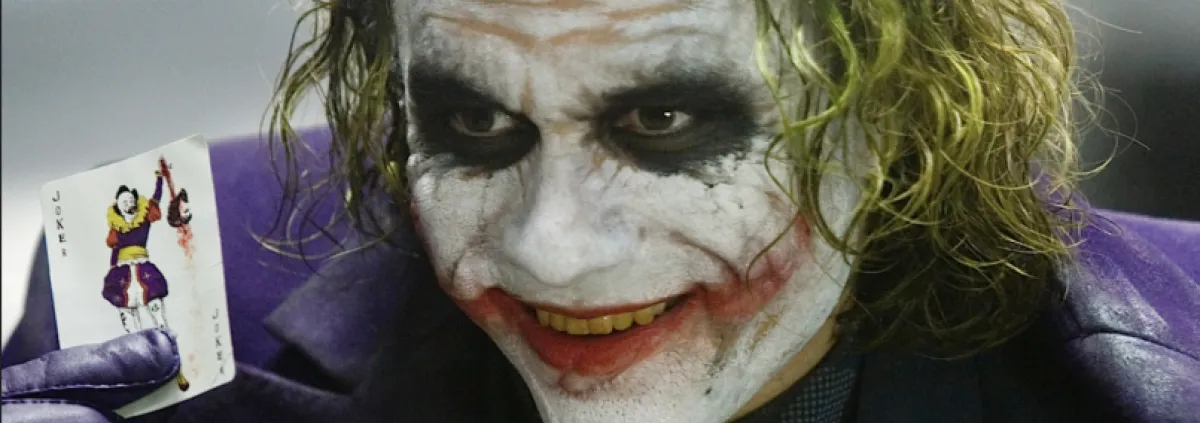
Villains have an uncanny ability to captivate our imaginations, often drawing us in with their charisma and complexity. These bad boys and girls represent the darker aspects of human nature that we might shy away from in our everyday lives.
Their motivations, often rooted in personal pain or societal rejection, allow us to explore themes of morality and existence in a way that heroes most often can't provide. Whether it's the charming rogue or the sinister mastermind, we find ourselves inexplicably attracted to their wicked ways, almost as if we're looking into a mirror reflecting our own hidden desires and fears.
Villain Psychology
The psychological appeal of villains is no accident; they serve as a cathartic outlet for our frustrations and societal fears. By embracing their villainy, we can confront our own insecurities without facing real-world consequences.
This dynamic is clear in literature and film, where villains often embody the very traits that society deems unacceptable.
Culturally, villains also reflect the anxieties of their times, acting as a barometer for societal fears and challenges. From the tyrannical overlords of classic literature to the suave sociopaths of contemporary cinema, these characters develop alongside us.
Their portrayal often raises questions about power, corruption, and the blurred lines between good and evil. As we witness their antics, we're not only entertained but also prompted to consider the broader implications of their actions in our own lives.
In fiction, the role of antagonists has shifted dramatically, with many modern narratives allowing villains to have rich backstories that humanise them.
This evolution has made it increasingly difficult to categorise characters as purely good or evil. Instead, we empathise with their plight, even as they wreak havoc on our beloved protagonists.
Villain Fascination
Have you seen the TV series Das Boot? We found ourselves rooting for the U-boat characters! Now, hold on a minute, they are the baddies. They are the Nazis who were hunting down the rest of the world. But the characters were richly written and deeply compelling, that audiences like us couldn't help but root for them.
These guys had normal lives and normal emotions. Most of them were confused by the regime or against it but they were very human in every way possible. The writers of this series created the bad guys as fully developed fictional people.
That we rooted for some of them will raise eyebrows and stir up a hornet's nest of comments. Go ahead and add yours!
The point is not about who should or shouldn't win a war, and we can be thankful that the Allies won the war!
But the point is about how villains can fascinate us so much because they too are human (even if they're fictional) and they have such deep humanising back stories that create talking points.
We all have a fascination with villains, if we are willing to admit it! As writers, we have to be fascinated with villains to create them as deeply wounded humans so their actions in our stories are plausible.
This challenge to traditional heroism not only enhances our narratives but also invites us to reconsider what we truly value in our heroes and the stories they inhabit.
Ultimately, our fascination with villains can be attributed to their inherent charisma and the thrill of danger they represent. They challenge us to confront our own moral dilemmas, and their actions speak to our deepest fears, whilst providing a safe space to explore the darker facets of human nature.
In the end, it's this fear of darkness that keeps us coming back for more, eagerly flipping pages or tuning in to see what chaos they'll unleash on our beloved good guys next.
Who is your favourite villain and why? Do you root for them? Go on, confess your fascination!
If you're fascinated with villains, follow this tag for most posts > Fascination with villains.