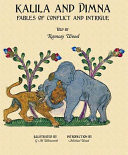
Kalila and Dimna: Fables of Conflict and Intrigue
Fables of Conflict and Intrigue
0 reviews
2
views
By Ramsay Wood (2013)
KALILA AND DIMNA or The Panchatantra (also known in Europe since 1481 as The Fables of Bidpai) is a multi-layered, inter-connected and variable arrangement of animal stories, with one story leading into another, sometimes three or four deep. These arrangements have contributed to world literature for over 2000 years, migrating across ancient cultures in a multitude of written and oral formats. All our beast fables from Aesop and the Buddhist Jataka Tales through La Fontaine to Uncle Remus owe this strange, shape-shifting 'book' a huge debt. In its original Arabic format, Kalila and Dimna (The Panchatantra being its Sanskrit precursor), ostensibly constitutes a handbook for rulers, a so-called 'Mirror for Princes' illustrating indirectly, through a cascade of teaching stories and verse, how to (and how not to!) run the kingdom of your life. In their slyly profound grasp of human nature at its best (and worst!) these animal fables, usually avoiding any moralistic human criticism, serve up digestible wise counsel for us all. Based on his collation of scholarly translations from key Sanskrit, Syriac, Arabic and Persian texts, as well as the 1570 English rendition by Thomas North, this is the first uncompromisingly modern re-telling in either the East or West for over 400 years. In Ramsay Wood's version the profound meanings behind these ancient fables shine forth as he captures a great world classic, making it fresh, relevant, fascinating and hugely readable. His second volume of fables from KALILA AND DIMNA picks up where the first, Fables of Friendship and Betrayal, left off - covering deceit, political skullduggery, murder, enemies, deadly monsters, kings, bees, princesses, monkeys, lions, crocodiles and how we all live and die together in peace or conflict. This is a book full of outrageously behaved animals and humans doing the most delightfully awful (yet sometimes gentle) things to each other. These are joyous, sad, amusing and sometimes brutal stories; their function being to educate both king and commoner alike in the ways of the world, the harsh realities that can often lurk beneath the surface of our cozy, everyday subjectivity.


Reviews
Have you read this book?
Share a quick thought — even 1–2 sentences helps other readers.