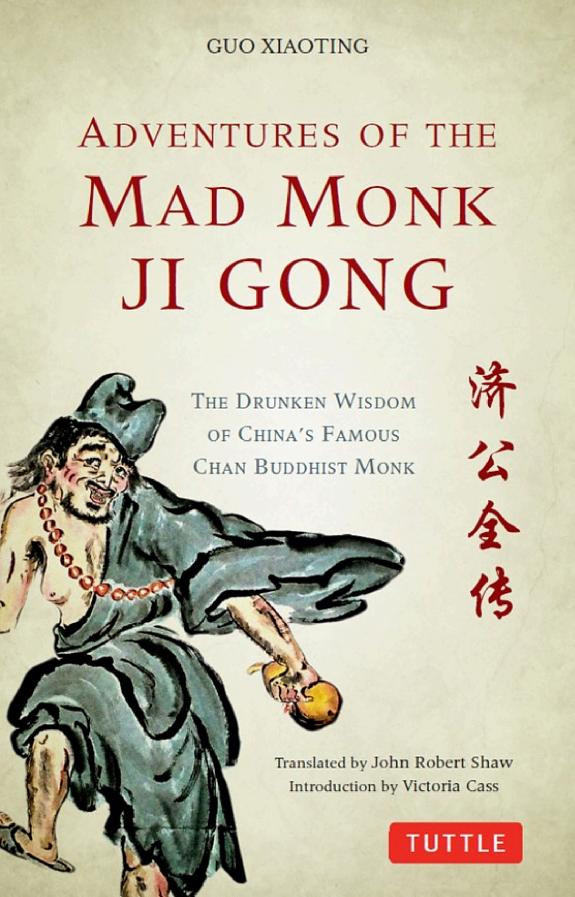
Adventures of the Mad Monk Ji Gong: The Drunken Wisdom of China's Most Famous Chan Buddhist Monk
The Drunken Wisdom of China's Most Famous Chan Buddhist Monk
0 reviews
7
views
By Guo Xiaoting (2014)
Follow the brilliant and hilarious adventures of the Zen Buddhist monk who became one of China's greatest folk heroes! During the Song Dynasty (960-1279), Ji Gong studied at the renowned Ling Yin monastery, nestled in the steep hills above Hangzhou. The Chan (Zen) Buddhist masters of the temple tried to instruct Ji Gong in the spartan practices of their sect, but the young monk, following in the footsteps of other great ne'er-do-wells, distinguished himself mainly by getting expelled. He left the monastery, became a wanderer with hardly a proper piece of clothing to wear, and achieved significant renown--in seedy wine shops and drinking establishments! That could have been where Ji Gong's story ended. But his unorthodox style of Buddhism soon made him a hero for storytellers of his era. Audiences delighted in tales where the mad old monk ignored--or even mocked--authority, defied common sense, and never neglected the wine, yet still managed to save the day. Ji Gong remains popular in China even today, where he regularly appears as the wise drunkard in movies and TV shows. In these 89 stories, you'll read about Ji Gong's rogue's knack for exposing the corrupt and criminal while still pursuing the twin delights of enlightenment and intoxication. This literary classic of a traveling martial arts master will entertain readers of all ages!








Reviews
Have you read this book?
Share a quick thought — even 1–2 sentences helps other readers.